De Workstation-blog
Security
Berichten met de tag Security.
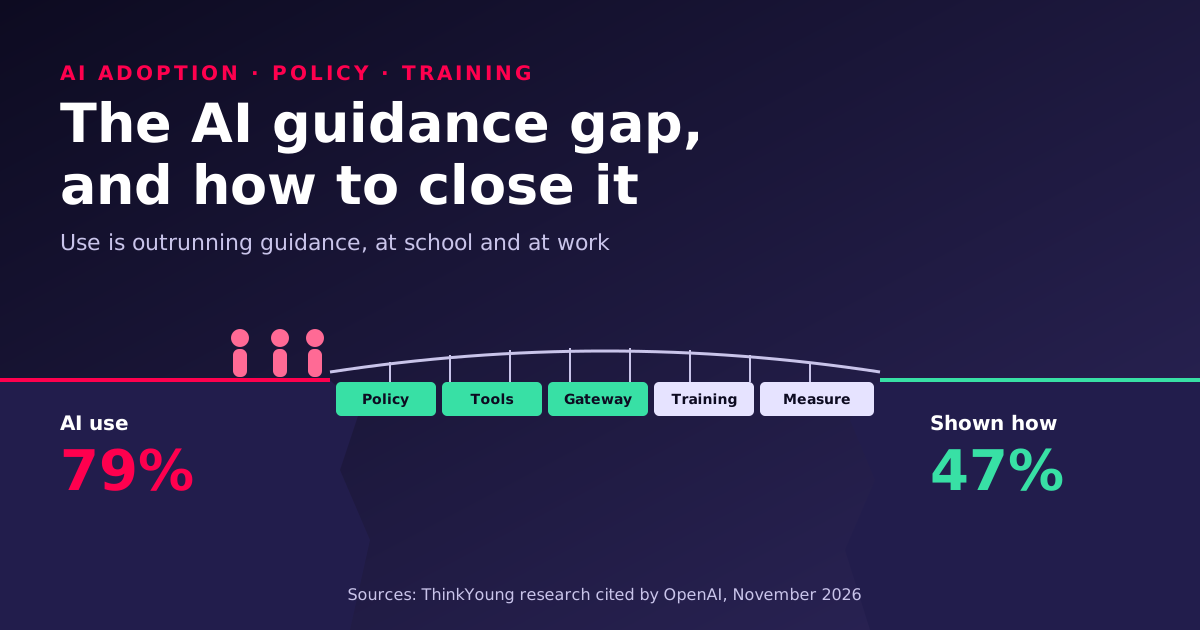
The AI Guidance Gap: Use Outpaces Training at School and at Work
79% of students use AI for homework but only 47% were shown how, according to ThinkYoung research cited by OpenAI. Workplaces show the same gap. A 90-day playbook for business leaders: policy by data class, approved tools, a gateway, role-based training and usage metrics.
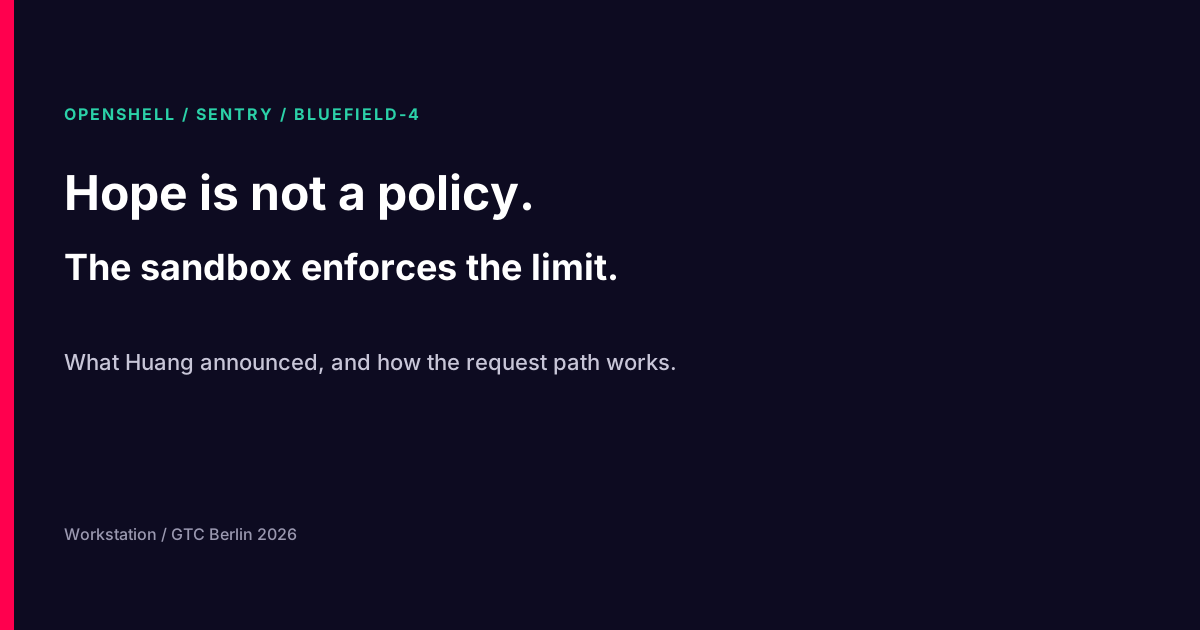
OpenShell, aangekondigd op GTC Berlin: beleid buiten de agent
De beveiligingsfilm van Huang verwierp ‘doe dat alstublieft niet’ als controlemaatregel. OpenShell dwingt beleid af op syscalls, bestanden en netwerk, met Sentry op BlueField-4.
 Balinder WaliaLezen
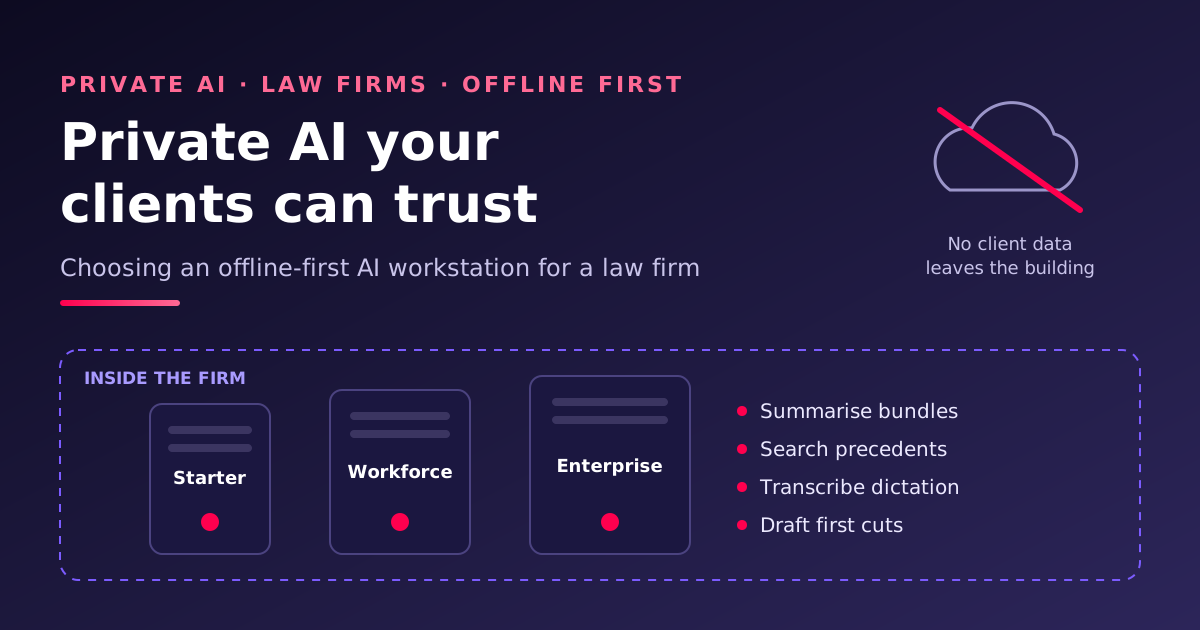
Private AI voor advocatenkantoren: een offline-first workstation kiezen die uw cliënten kunnen vertrouwen
Hoe een advocatenkantoor een private-AI-workstation kiest die zonder internetverbinding draait: wie hem gebruikt, welk model, hoeveel GPU-geheugen, hoe geïsoleerd hij moet zijn en wie hem installeert. Met echte prijzen uit een echte offerte, waar die te zwaar was gespecificeerd, en de Starter-, Workforce- en Enterprise-builds die wij daadwerkelijk zouden leveren.
Balinder WaliaLezen 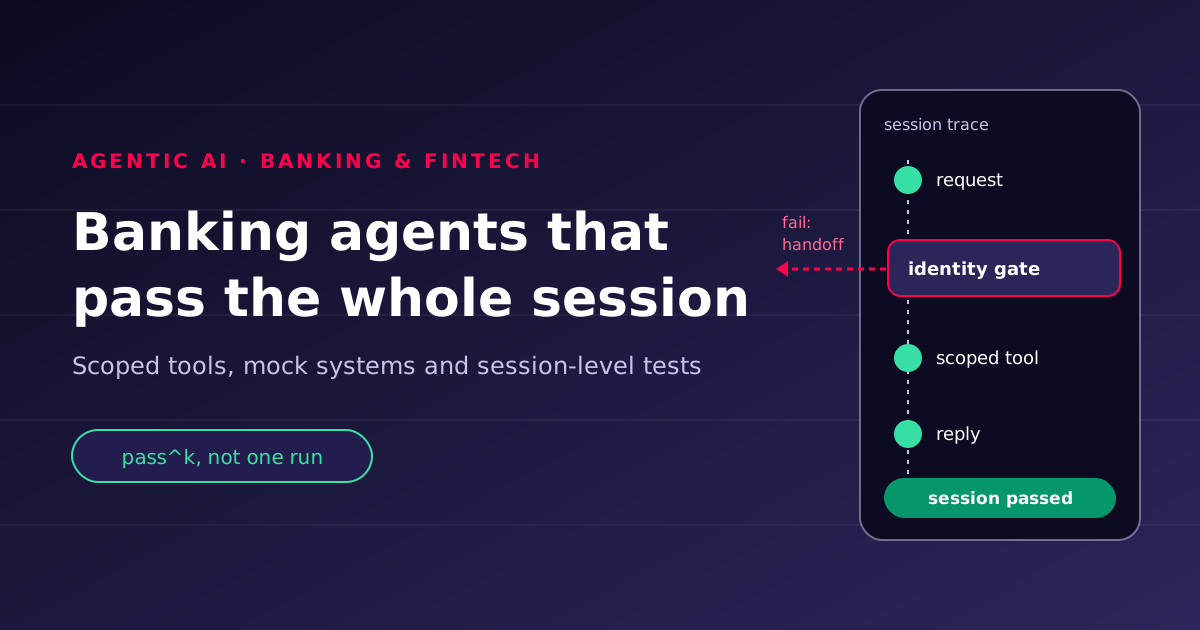
Agentic AI in banking: efficiency you can defend to a risk committee
Banking AI agents rarely fail on one bad reply; they fail across a session. How to scope tools, test whole conversations against mock systems and measure reliability with pass^k, so the time saved survives audit and production.
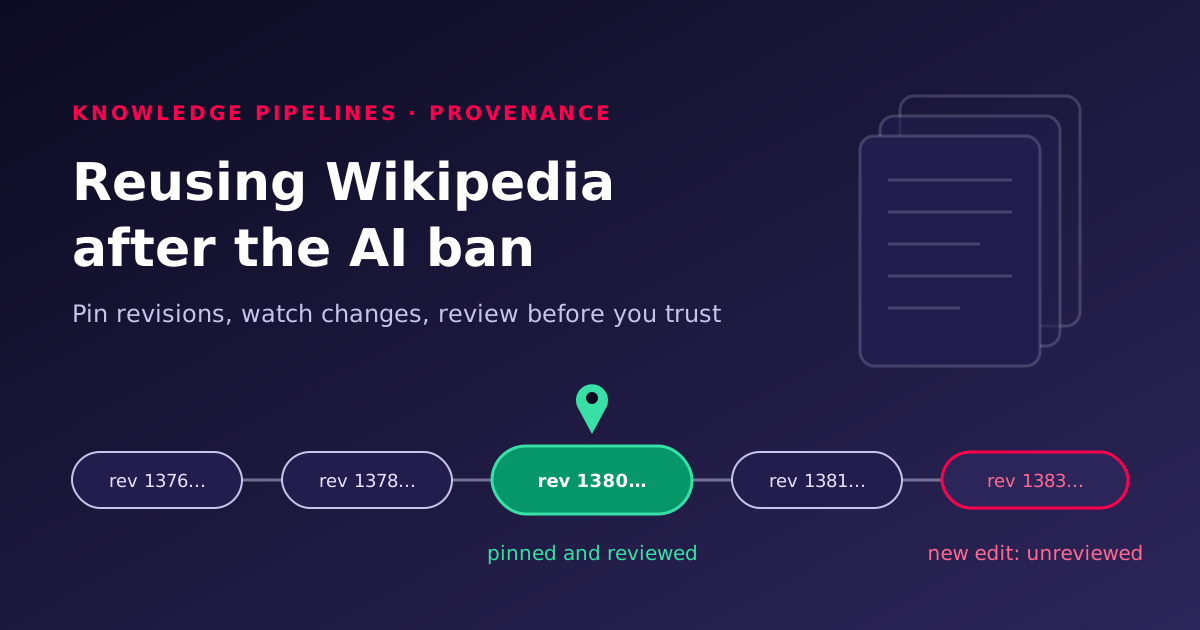
Wikipedia banned AI-written articles: what teams that reuse it should change
English Wikipedia now prohibits LLM-written article text, yet volunteers still flag a steady share of new drafts as AI-generated. If your search, chatbot or knowledge base reuses Wikipedia, here is how to pin revisions, watch edits, review changes and attribute correctly.
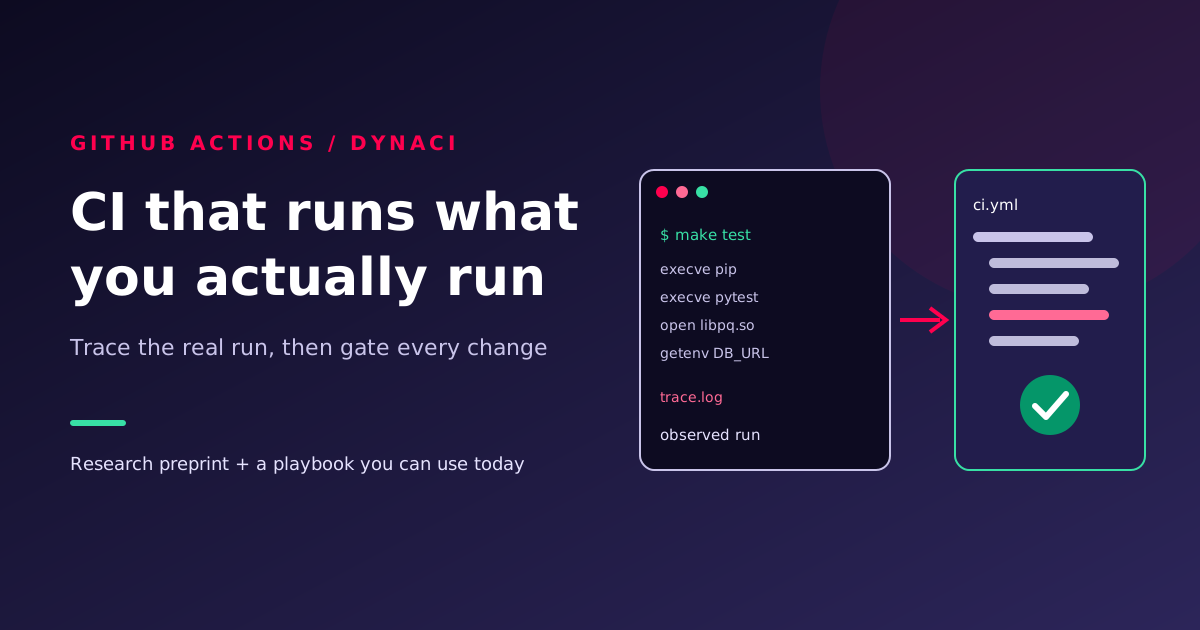
DynaCI and runtime-grounded CI: better GitHub Actions workflows
DynaCI, an October 2026 research preprint, drafts GitHub Actions workflows from traces of real local runs. What its results show, what they do not, and a playbook to lint, test, harden and review every workflow you ship.
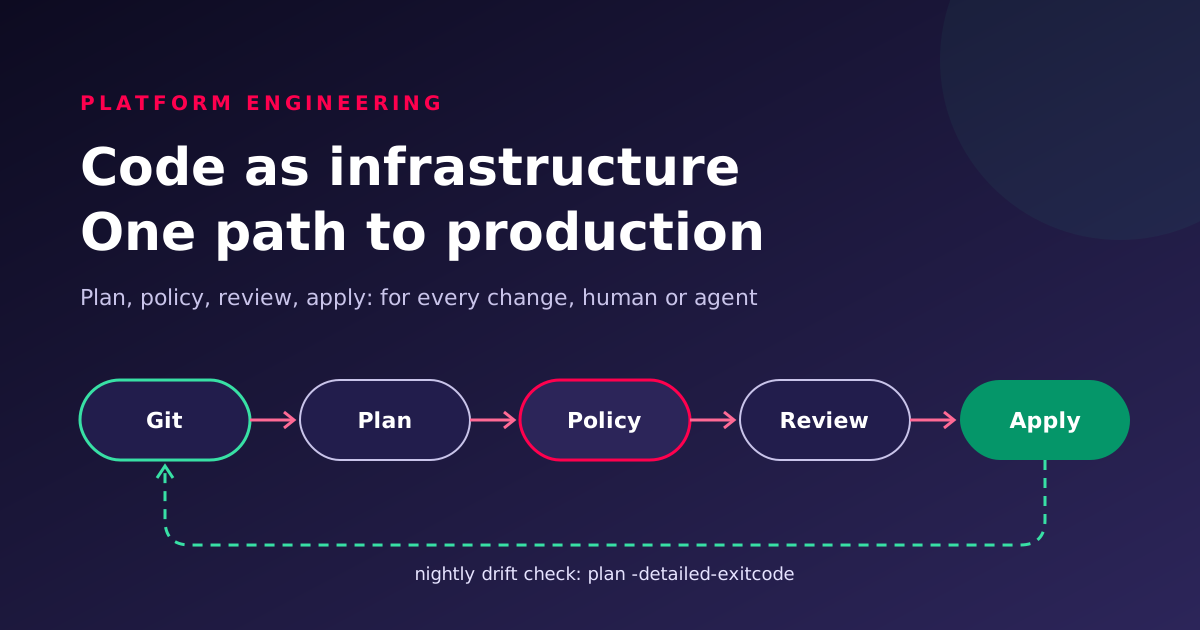
Code as infrastructure: one reviewed path for every production change
Infrastructure as code made servers into files. Code as infrastructure goes further: desired state, policy, pipelines and AI agent access all live in Git, are checked by policy, applied by automation and watched for drift. A practical playbook.
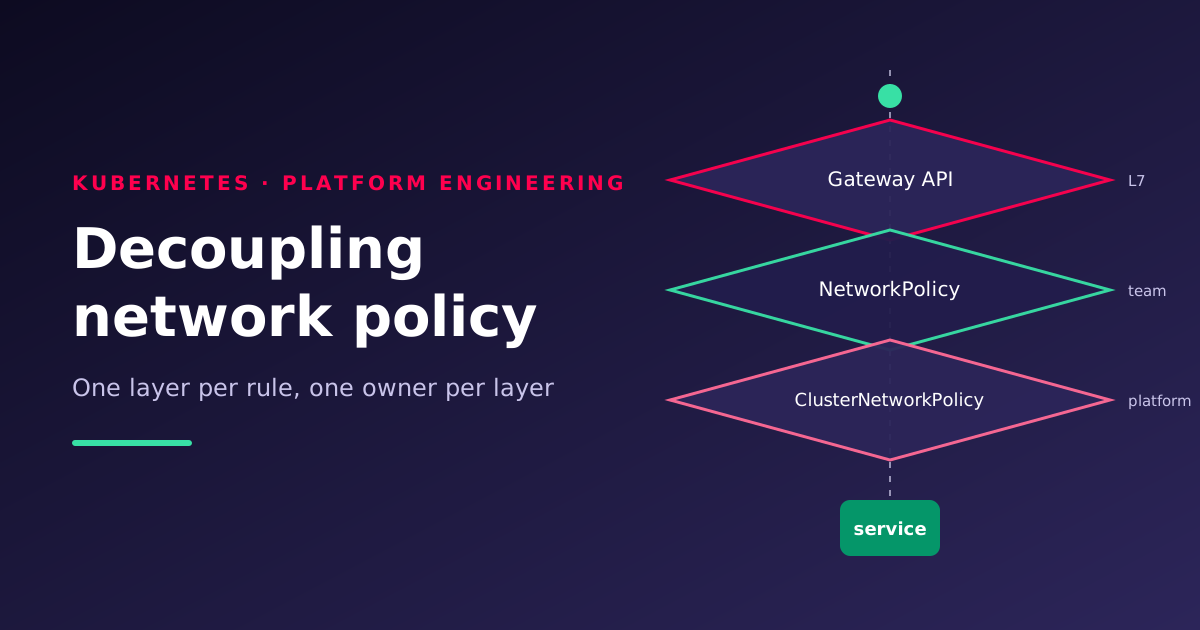
Decoupling Network Policy in Kubernetes: One Owner per Rule
Network rules scattered across annotations, app config and stray NetworkPolicies slow every change. Here is how to split them into layers with one owner each, using ClusterNetworkPolicy, NetworkPolicy and Gateway API, plus a step-by-step migration playbook.
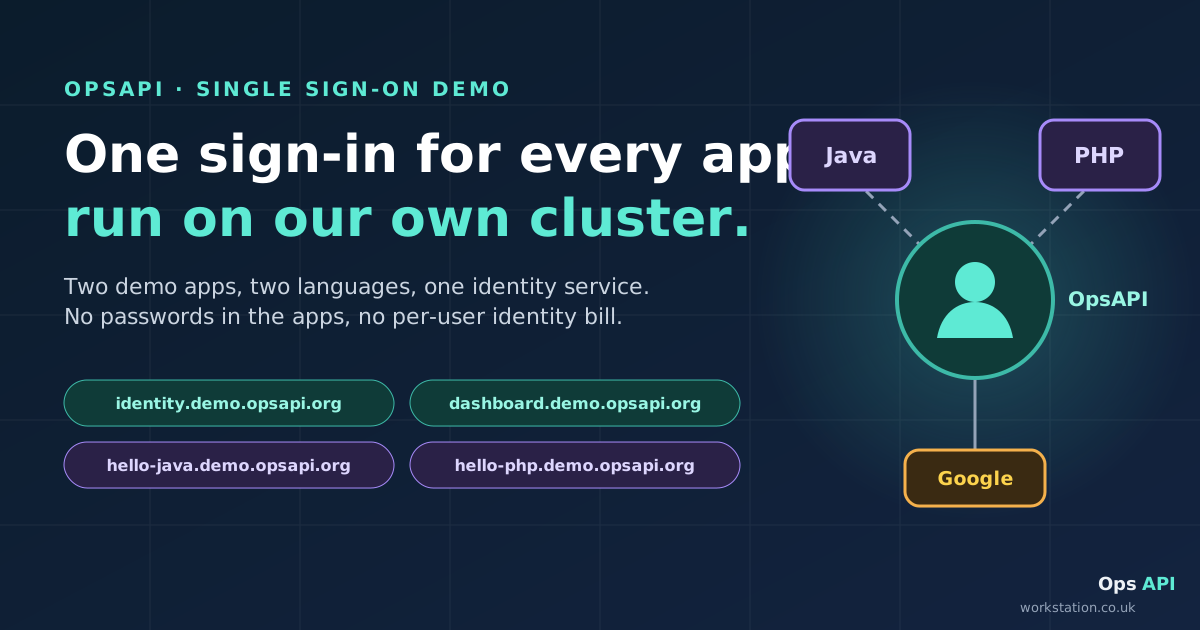
Eén aanmelding voor elke app, op ons eigen cluster
Vijf demo-apps in vijf talen zien nooit een wachtwoord en praten nooit met Google: ze sturen gebruikers naar een zelf gehoste OpsAPI, die hen aanmeldt en een token teruggeeft dat de app met één API-aanroep controleert. Wat het kost om een app toe te voegen, waarom beheerdashboards achter een VPN of zero-trust-broker horen, en de eerlijke beperkingen.
Balinder WaliaLezen 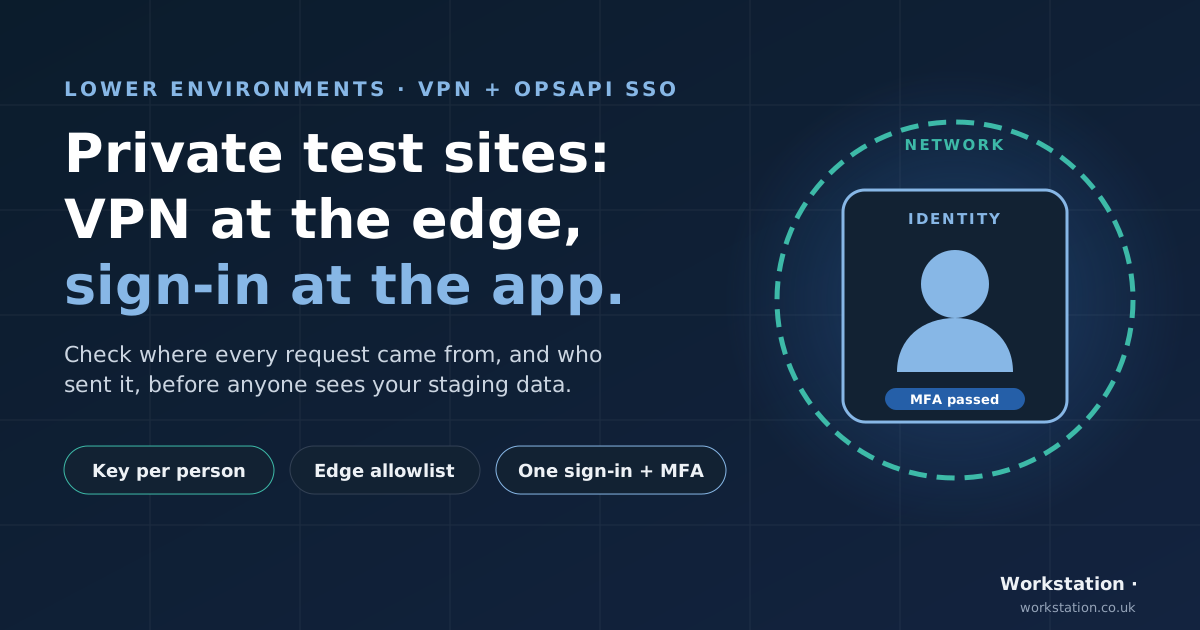
Houd uw testsites privé: VPN aan de edge, één aanmelding voor elke app
Staging- en testsites bevatten realistisch ogende data, maar worden vaak alleen beschermd door een IP-allowlist. Zo houden twee lagen ze privé: een VPN die aan de edge wordt gecontroleerd bewijst waar een verzoek vandaan kwam, en één OpsAPI-aanmelding met MFA bewijst wie het verstuurde, in elke app.
Balinder WaliaLezen